
Mastering LLM: A Practical Guide for Tech Students

Introduction to LLM Technology
Artificial intelligence has shifted from theoretical research to practical application faster than almost any other technology in recent history. At the center of this revolution is the llm, or Large Language Model. Whether you are studying computer science in Pune, building your first Python scripts, or looking to transition into the tech industry, understanding how to work with an llm is no longer optional—it is a core technical competency.
In simple terms, an llm is a type of artificial intelligence trained on massive amounts of text data to understand, summarize, generate, and predict human-like language. Beyond just chatbots, these models power code completion tools, automated data extraction pipelines, and sophisticated customer support agents. For developers and tech aspirants, knowing how to interact with, fine-tune, and integrate an llm into software applications opens up vast career opportunities.
How an LLM Actually Works
To use an llm effectively, you need a foundational understanding of what happens under the hood. While you do not need a PhD in machine learning to build applications, knowing the basic architecture helps you write better code and debug errors more efficiently.
Transformers and Attention Mechanisms
Most modern language models are built on the Transformer architecture, introduced by researchers in 2017. Unlike older models that read text strictly word-by-word, transformers use an attention mechanism. This allows the model to look at an entire sentence simultaneously, understanding the context of a word based on the words surrounding it. For instance, the word "bank" has different meanings in financial contexts versus river banks; an llm uses context to determine the exact intended meaning.
Training Phases: Pre-training and Fine-Tuning
Building an llm involves two main stages:
- Pre-training: The model ingests petabytes of text from books, articles, websites, and code repositories. During this phase, it learns grammar, facts about the world, reasoning patterns, and programming languages by predicting the next token in a sequence.
- Fine-tuning: Raw pre-trained models are often unpredictable. Through techniques like Reinforcement Learning from Human Feedback (RLHF), developers fine-tune the model to be helpful, harmless, and honest, tailoring it for specific tasks like coding or conversational support.
Why Tech Students and Developers Should Learn LLM Integration
The job market for software developers and data professionals in India is evolving rapidly. Companies are actively seeking professionals who understand how to build software powered by artificial intelligence.
Moving Beyond Basic Prompting
While asking a chatbot to write a basic function is useful, professional application development requires much more. Developers need to know how to:
- Connect applications to models using APIs.
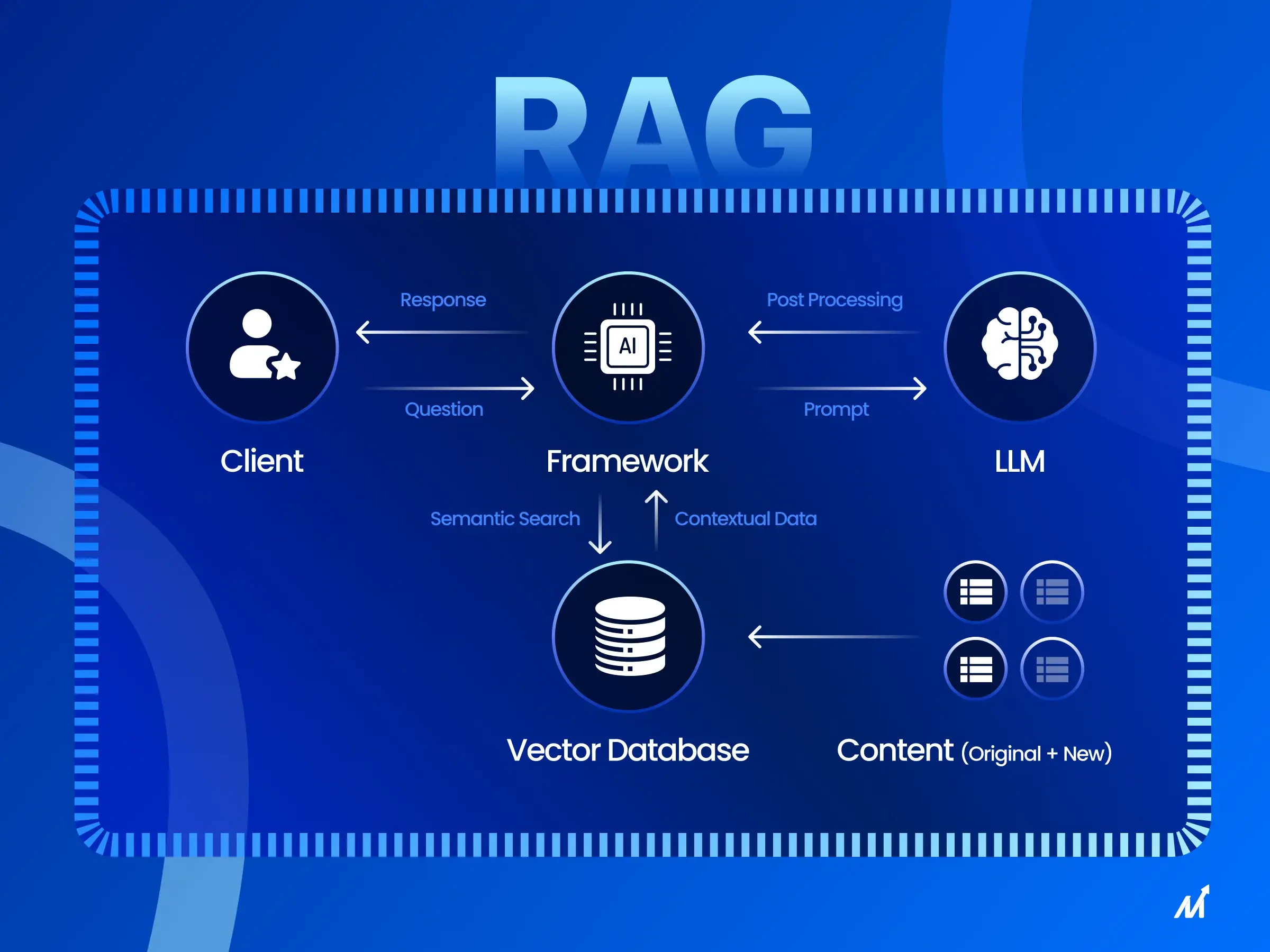
- Implement Retrieval-Augmented Generation (RAG) to allow models to search private company data.
- Manage token limits, latency, and API costs efficiently.
- Ensure data privacy and security when sending user information to external models.
Learning these skills bridges the gap between traditional software engineering and modern AI application development, making your resume stand out to employers.
Practical Steps to Start Your LLM Journey
If you want to build a career involving artificial intelligence, a structured, hands-on approach works best. Here is a practical roadmap for students and fresh graduates:
1. Strengthen Your Python Foundations
Python is the undisputed language of AI. Before diving into complex AI frameworks, ensure you are comfortable with basic data structures, asynchronous programming, and working with REST APIs. Most llm libraries and wrappers are built primarily for Python.
2. Learn API Integration
Start by writing simple scripts that connect to popular model APIs. Learn how to format system prompts, adjust temperature parameters, and parse JSON responses. Building small utilities—like an automated code reviewer or a document summarizer—gives you tangible projects to showcase.
3. Explore Local and Open-Source Models
You do not always need paid cloud APIs to practice. Tools like Ollama and Hugging Face allow you to run open-source models locally on your machine. Experimenting with open-source models teaches you about hardware requirements, quantization, and model deployment constraints.
4. Build Capstone Projects
Theory alone will not secure your next internship or job. Build end-to-end projects that solve real problems. For example, build a tool that ingests a local PDF manual and answers questions based strictly on that document using RAG architecture. Document your code on GitHub and write about your learnings in FutureCorp Academy.
Conclusion
The emergence of the llm represents a fundamental shift in how we build software and interact with data. For students and aspiring tech professionals in India, mastering this technology offers a direct pathway to exciting career opportunities. By focusing on practical coding, understanding API integration, and building real-world projects, you can position yourself at the forefront of the AI-driven tech landscape.
Founder, FutureCorp Academy — helping students turn classroom theory into practical, industry-ready skills.

Comments
Leave a comment
Comments are reviewed before they appear.