
How to Become a Full Stack Developer in 2026: Roadmap
The web development landscape has shifted dramatically over the last few years. The rise of artificial intelligence, automated deployment pipelines, and serverless architectures has redefined what employers expect from tech professionals. If you are researching how to become a full stack developer in 2026, the answer is no longer just about learning HTML, CSS, and basic JavaScript. Today, successful developers are full-system thinkers who understand how to build efficient user interfaces, design resilient back-end APIs, manage cloud databases, and leverage modern developer tooling.
Whether you are a college student in Pune, a self-taught enthusiast, or a working professional looking to transition into software engineering, this guide outlines a clear, practical roadmap to build a competitive engineering skill set for 2026.
Understanding the Full Stack Role in 2026
A full stack developer is responsible for both the client side (front-end) and server side (back-end) of a web application. In the current industry environment, full stack developers are highly valued because they bridge the gap between user experience and system performance. They understand how data flows from a user click on a browser or mobile device, through network protocols, into application logic, and finally into storage.
However, being a full stack developer in 2026 does not mean you must know every language or framework ever created. Instead, it requires deep proficiency in a primary stack, an understanding of cloud integration, and the capability to write clean, maintainable code alongside AI productivity tools like GitHub Copilot and ChatGPT.
Phase 1: Master the Unshakable Core Fundamentals
Before jumping straight into high-level frameworks like React or Next.js, you must build a strong baseline foundation. Frameworks come and go, but core web standards remain consistent.
1. Core Web Standards: HTML5 and Modern CSS
Start by learning how the web works behind the scenes. Focus on semantic HTML5 tags, accessible web design principles, and modern CSS techniques including Flexbox, CSS Grid, and responsive web design. Understand how browsers render pages, how the Document Object Model (DOM) works, and how to write clean, accessible markups.
2. Deep JavaScript (ES6+) Mastery
JavaScript remains the undisputed language of the web. Do not rush through JavaScript fundamentals. Ensure you thoroughly understand:
- Data types, scoping, closures, and hoisting
- Asynchronous programming (Promises, async/await, and the Event Loop)
- DOM manipulation and event handling
- Modern syntax (destructuring, spread operators, modules)
- Fetch API and handling HTTP requests
3. Version Control with Git and GitHub
Source control is non-negotiable in software teams. Learn how to manage repositories, branch effectively, resolve merge conflicts, and collaborate using pull requests on GitHub or GitLab.
Phase 2: Modern Front-End Engineering
Once you are comfortable with raw JavaScript, move on to modern client-side architectures. Users expect fast, highly responsive web interfaces, making front-end expertise a crucial component of full stack proficiency.
1. Framework Mastery (React or Vue.js)
React continues to dominate job markets globally and across Indian tech hubs. Focus on mastering single-page application (SPA) architecture, component lifecycles, state management, and custom hooks. Once you understand React fundamentals, learn a full-stack JavaScript framework like Next.js, which handles Server-Side Rendering (SSR) and Static Site Generation (SSG) out of the box.
2. Type Safety with TypeScript
In 2026, raw JavaScript alone is rarely used in production enterprise apps. Learning TypeScript is essential. It adds static typing to JavaScript, catching errors during development rather than at runtime. It improves code readability, maintainability, and team developer experience.
3. UI Components and Utility Styling
Speed up UI development by mastering utility-first CSS frameworks like Tailwind CSS, alongside accessible component libraries like Shadcn UI or Material UI. These tools allow you to rapidly assemble polished, mobile-friendly interfaces.
Phase 3: Back-End Development and System Design
The back-end powering your applications must be secure, fast, and scalable. You should choose one primary back-end ecosystem to start with, master its conventions, and build real server applications.
1. Runtime and Language Choice
Popular and industry-relevant back-end environments include:
- Node.js with Express or NestJS: Allows you to use JavaScript/TypeScript across the entire stack (MERN stack).
- Python with Django or FastAPI: Ideal for applications requiring heavy data processing, machine learning integration, or rapid API development.
2. Databases and Data Modeling
A full stack developer must know how to design, query, and optimize data stores. Learn both types of database systems:
- Relational Databases (SQL): Learn PostgreSQL or MySQL. Understand primary/foreign keys, joins, indexing, normalization, and ACID transactions.
- NoSQL Databases: Learn MongoDB or Redis. Understand document-based storage, schema design, and caching strategies.
- ORMs and Query Builders: Learn modern database tools like Prisma or Drizzle ORM to interact with databases safely using TypeScript.
3. RESTful APIs and GraphQL
Understand how to structure clean REST architecture standards, status codes, authentication protocols (JWT, OAuth 2.0), and data validation. Additionally, learn basic GraphQL concepts for querying complex object graphs efficiently.
Phase 4: Cloud Services, DevOps, and AI Integration
Modern developers do not just write code; they deploy and manage it. Understanding basic cloud infrastructure and automation sets candidate portfolios apart.
1. Containers and Deployment
Learn Docker basics to package applications into consistent environments. Get comfortable deploying applications to modern cloud hosting platforms such as Vercel, Render, AWS (EC2, S3, Lambda), or DigitalOcean.
2. AI Tooling and LLM Integration
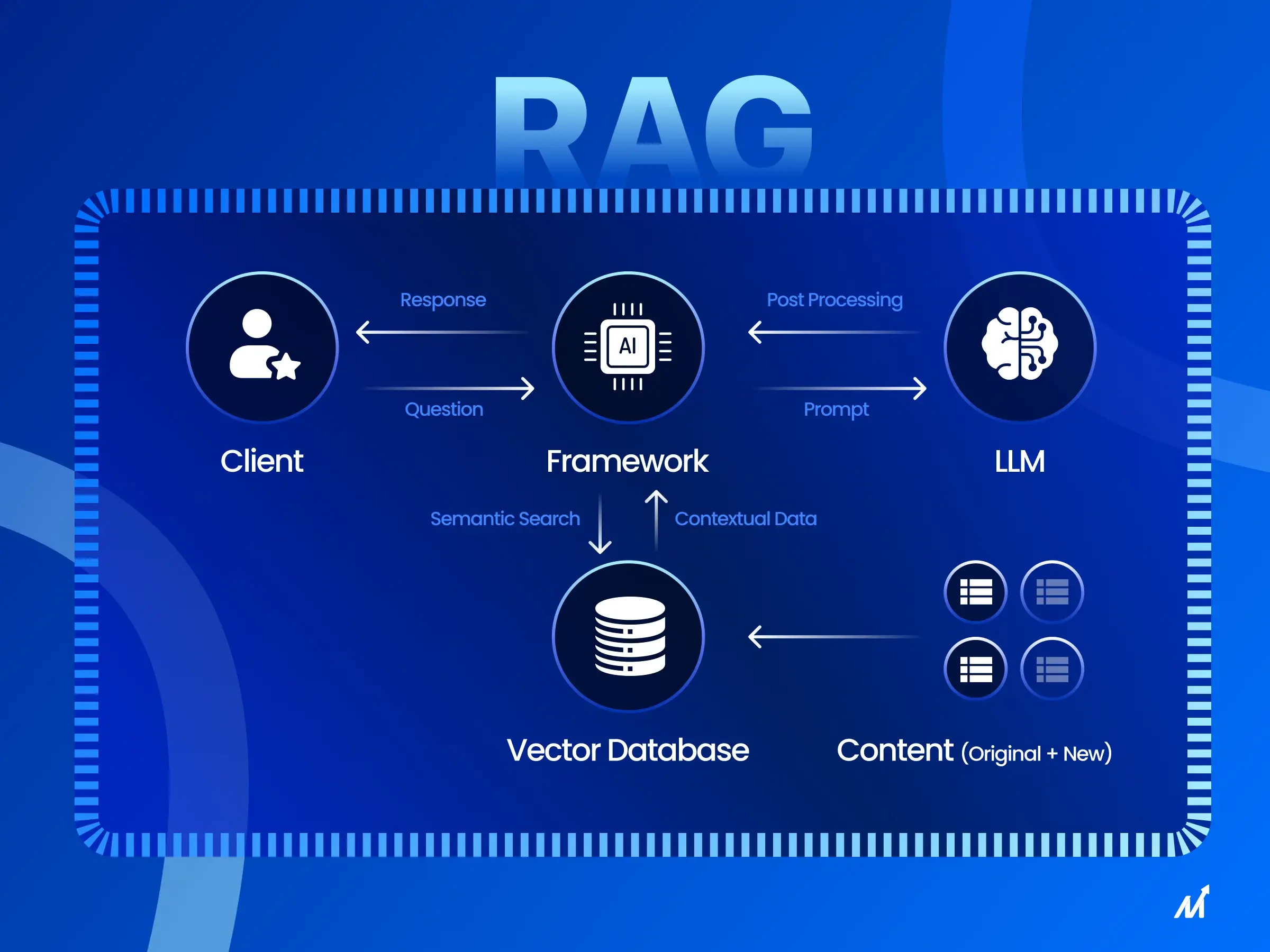
In 2026, AI is an assistant, not a replacement. Learn to write software using AI coding tools to boost productivity. Furthermore, practice integrating AI features into your applications using OpenAI APIs, LangChain, or vector databases like Pinecone for retrieval-augmented generation (RAG) tasks.
Phase 5: Portfolio Development and Practical Experience
Tutorial hell is the single biggest obstacle for self-taught developers. Simply copying a tutorial project will not stand out to recruiters. Instead, build 2 to 3 original, end-to-end applications that solve real-world problems.
For instance, rather than a generic To-Do app, build a domain-specific platform—like an event management system with real-time seat booking, a localized SaaS dashboard, or an AI-powered content analyzer. Ensure your project features:
- Secure user authentication and role management
- Proper database schema design and optimization
- Clean user interface with responsive layouts
- Deployed, public URLs with source code hosted on GitHub
Navigating the Career Landscape in India
If you are based in India, major IT hubs like Pune, Bengaluru, and Hyderabad are seeing a strong demand for developers who possess practical coding skills over theoretical degrees. To land your first role or internship:
- Keep your GitHub profile active with meaningful commit histories.
- Write technical blog posts or share project build journeys on LinkedIn.
- Participate in local tech meetups and hackathons to network with engineers.
- Practice foundational Data Structures and Algorithms (DSA) along with practical system architecture concepts.
Key Takeaway
Learning how to become a full stack developer in 2026 requires patience, consistent effort, and a project-first mindset. Focus on building strong core software engineering fundamentals, write typed code, understand cloud deployments, and utilize AI tools to accelerate your productivity. Master one tech stack deeply before expanding, build functional software, and let your portfolio showcase your ability to solve real problems.
Founder, FutureCorp Academy — helping students turn classroom theory into practical, industry-ready skills.

Comments
Leave a comment
Comments are reviewed before they appear.